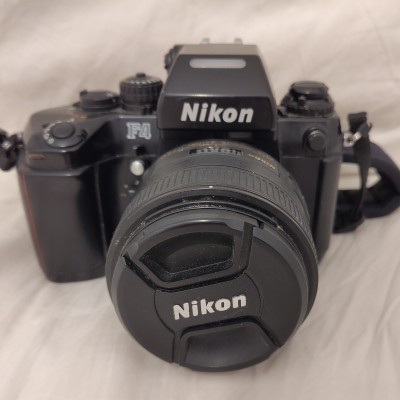
 (I love to) take a photograph
Why I use a camera
Often when taking photos I use a camera. This is an essay on why I bother to do that, when mobile phones provide perfectly good cameras and are much easier to carry around.
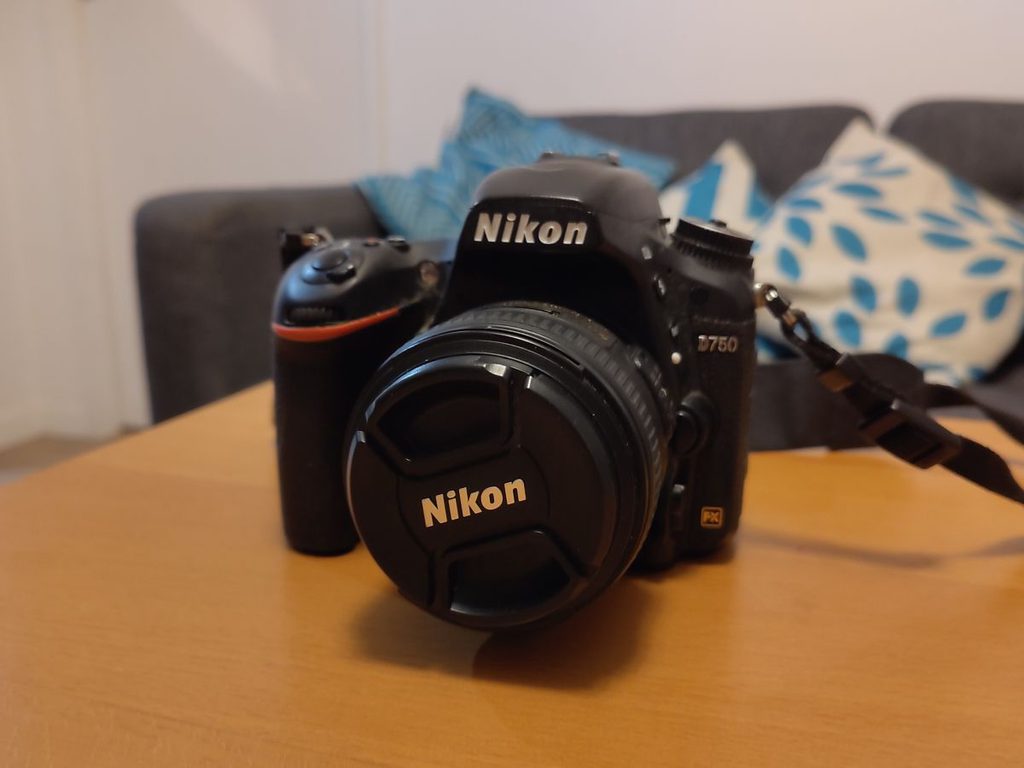
Intensionality
Anyone can take great photos these days. Mobile phones have cameras that are technically very good and software that will guide you to take the best shots in most conditions. There’s a part of photography that has always been about being in the right place, at the right time, with a camera and click - great shot. Now most people have a mobile phone on them at all times, they are likely to take beautiful and moving photos at some point. Your Camera Roll Contains a Masterpiece.
There is another side to photography that I believe is harder, but still worthwhile. To take a series of photos on a subject - in a consistent style - is a challenge. Taking a great individual photo can happen by luck - taking a great series of photos can’t.
To take a great photo series it is necessary to be intentional. You need to plan. To think about what subject you want to photograph. Find an opportunity to take the photos. Once the photos are taken, you will need to review them. If the photos don’t match your original intention or the series is incomplete, then you’ll need to take more photos and iterate on the series.
It’s hard work. This is how well known photographers work. They don’t wait for great photo opportunities, they go out and make them.
You can be intentional about your photography using a mobile phone. I find having a camera helps me be intentional. I think about what photos I want to take and I pick up my camera and go out and find them. When I don’t have my camera, it’s time off and I try to take a break from photography.
Of course, if I see a great photo opportunity and I don’t have my camera - I use my phone.
Interchangeable Lens
The cameras on mobile phones have a lot to be said for them but they can’t - yet - do everything a modern camera can do. Mobile phone design makes it difficult for them to have interchangeable lenses. Modern phones compensate for this by having several cameras with different lenses, but the requirement for lenses to be flat enough to fit within a phone makes it challenging for mobile phones to offer a different type of lens.
Pretty much since the invention of the camera, some cameras have been designed with interchangeable lenses. This means there’s now a huge range of camera lenses available, from very flexible general purpose lenses, to interesting specialist lenses, such as macro lenses for close up photography to long lenses for capturing details of distance objects.
I find that a fixed focal 85mm lens suits my photography style. It’s great for portrait photography, because it lets you frame peoples head and shoulders nicely, without needing to be too close to them. The 85mm lens that I have also has a low F stop (F1.8) meaning that it lets in lots of light and has a shallow depth of field which creates that sought after bokeh look.
Workflow
If you do any kind of photography, you have some kind of workflow for dealing with your photos. Though you might not have given it too much thought. A workflow, in this context, means reviewing your photos, editing them, printing or publishing them, finally archiving them in some way.
For mobile phone users this probably means scrolling though your camera roll and sending some photos to friends or posting them on social media.
If you use a camera - partially if you use film or shoot in digital in RAW - then this forces you to think about the steps in your workflow a bit more. Sending your photos to friends, or publishing to social media directly, isn’t really an option, so you need to think about the steps you take to get there.
It is applying thought at each stage of review, edit, print / publish, archive, that helps the creative process. It’s likely that your workflow will converge around a fixed set of steps, using particular tools or software - but you’ll know why you do that and have a choice about when it’s useful to step away from the usual steps of your workflow.
Mobile phone photography doesn’t prevent you from developing a workflow from dealing with your photos - but it doesn’t encourage it either. For example, popular social media software encourages you to edit your photos using preset filters, by passing some of the creating process that gets the best out of your photo.
Ergonomics
When taking photos, all the SLR cameras I’ve used feel great in my hands. I’ve never used a mobile phone that didn’t feel at least slightly awkward.
Cameras are dedicated tools, they don’t have a design constraint that they need to be flat and easy to carry round. Camera designers have focused their efforts on making the camera not only feel good in the hands, but also having all the controls easily accessible to the fingers.
The result is I find shooting for extended periods with a camera much easier than with a phone. I can control the parameters of a photo quicker with a camera helping to get the details of a shot right.
Connection with a Subject
The object you have in your hands when photographing a person, will change your connection with them.
If you approach someone in the street offering to take their photo, they will be more impressed and likely to take you more seriously if you have an impressive looking camera in your hands.
This may sound like a small detail but small details can often count, especially in portrait photography. The rapport between sitter and photographer matters in portrait. Letting the model feel confident that you’re a skilled photographer can help put them at ease and the tool you’re using to photograph can be part of that.
Having a camera in your hands on its own won’t be enough to build a rapport with a sitter. The way you talk to them and treat them is more important, but details, such as the tool used, do count.
Conclusion
These are the reasons I continue to use a camera - not a definitive list of reasons to use a camera.
And of course there are still many occasions when I use a mobile phone for photography. I have taken many phones that I really like with my phone, but my best photos were taken with a dedicated camera.